No Scrap Wasted

Foraging for Edible Nettles - June 2nd

4:30pm - Meet at Karen Hornaday Park

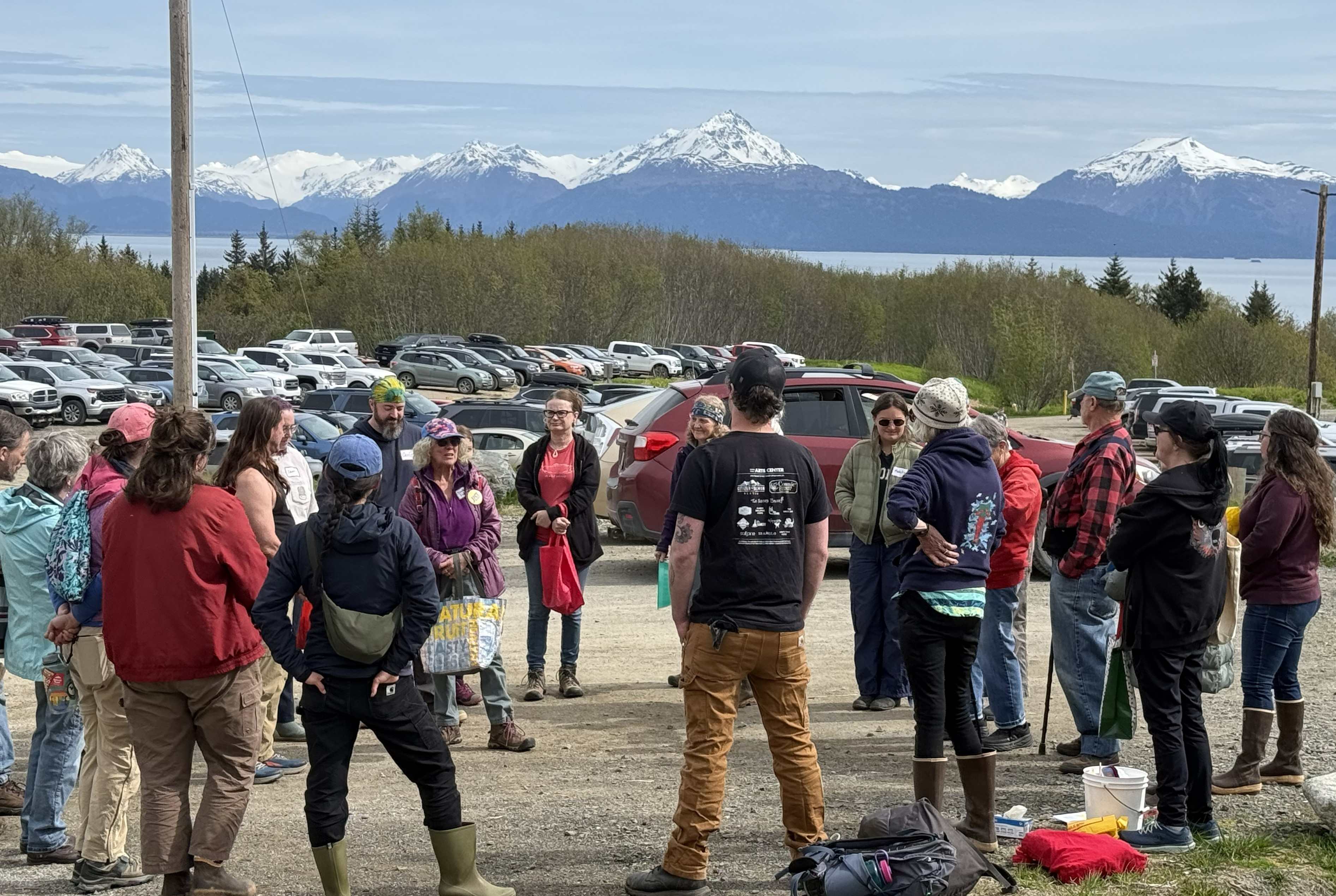
Join us on Tuesday June 2nd for a workshop all about harvesting and preparing edible nettles! Led by local educator Tania Spurkland, we will meet at Karen Hornaday Park to pick nettles, then reconvene at the Homer United Methodist Church for a processing tutorial, and some nettle-based refreshments.

Next Meeting: June 11th - 5:30pm shared meal | 6pm meeting


Mission Statement:

For our fourth local solution, Homer Drawdown has set our sights on reducing food and recyclable waste in our community. Project Drawdown identifies waste as a major climate opportunity because everything we use and throw away carries a trail of energy, land, water, and emissions across its lifecycle. The biggest climate gains come from consuming less and treating waste as a resource rather than an endpoint.  Beyond the climate benefits, reducing waste offers powerful co-benefits: extending the life of our landfill, stimulating new local economies, saving money, and feeding people in our community.

Reducing food waste in particular is one of the highest-impact climate solutions. Roughly one-third of food is wasted globally, and likewise, organic material makes up about a third of what ends up in our local landfill.

By taking a multifaceted approach to address waste streams, the impact of this project will be effective and lasting.  This solution has three main focuses:

  • Work with businesses and institutions to reduce and redirect food waste.
  • Conduct educational workshops to help residents reduce waste before it happens.
  • Improve or establish venues and systems to reduce material waste.

Our project and name derive from the brilliant Project Drawdown book and website.

Drawdown: Reduce Food Loss & Waste

"If 50 percent of food waste is reduced by 2050, avoided emissions could be equal to 26.2 gigatons of CO2.  Reducing waste also avoids the deforestation for additional farmland, preventing 44.4 gigatons of additional emissions.  We used forecasts of regional waste estimates from farm to household.  This data shows that up to 35 percent of food in high-income economies is thrown out by consumers."

–excerpted from the book, Drawdown

26.2

Gigatons

CO2 EQUIVALENT
REDUCED / SEQUESTERED
(2020–2050)

What is Peat?

Peat is dead plant material that has accumulated in standing water over thousands of years. Wet oxygen-poor environments prevent the plant material from decomposing into its basic building blocks of carbon dioxide and water. Peatlands act like a giant sponge to retain water and recharge groundwater throughout the summer. They also provide undisturbed habitat for moose, waterfowl and berry-pickers.

Depending on their formation and chemistry, peatlands can be classified as either bogs or fens. Most peatlands on the Kenai are classified as fens because they are nourished by mineral-rich groundwater from the surrounding soil and bedrock, unlike bogs which are nourished primarily by nutrient-poor rainfall. Fens are floristically rich with a variety of mosses, sedges, forbs and shrubs, whereas bogs are primarily Sphagnum peat moss with a few sedges.

Illustration by Conrad Field


Ancient Plants, Ancient Carbon

Some Alaskan peat has been building up for over 14,000 years and can be as much as 30 feet thick. Throughout that time, the plants have been pulling carbon from the atmosphere to use for growth through photosynthesis. But when the plants die, their carbon gets buried under water and does not return to the atmosphere. This means that peat is keeping carbon out of the atmosphere that might otherwise contribute to climate change.


When peatlands warm and dry, the peat breaks down (oxidizes) and releases carbon to the atmosphere as CO2 and accelerates climate warming in a positive feedback. For this reason, geologists are monitoring peatland degradation worldwide as an added source of greenhouse gas emissions.

Thankfully, the peatlands on the Kenai Peninsula are still mostly intact, although human development and warmer summers are posing an increasing risk of their loss and degradation.

In 2021, Homer Drawdown chose the Peatland Project in recognition that landscape change and land-use management issues are crucial to the mitigation of global warming.


Teen Peatland Expedition

The Center for Alaskan Coastal Studies provides annual inclusive opportunities for teens to join an expedition-style four-day/three-night backpacking trip along one of Homer’s many watershed systems. These mini-expeditions conduct scientific research in local peatlands and identify the incredible plants and mosses that grow on their surface. Participants travel between wetlands and the beach where they look at the natural history and geology of Kachemak Bay. Participants have the opportunity to grow their leadership skills, backpacking experience, and dive deep into the ecology and history of peat—an often overlooked but vital part of Homer’s ecosystem! There will be teamwork, there will be exploration, there might be s’mores, there will be fun!

Community Science

Volunteer to help us map the depth of local peatlands.

Art for Peat

Arts-based activities and programs bring peatlands to the hearts and minds of all. View our gallery of peatland themed artwork.

Conservation and Management

Intact and functioning peatlands are not widely recognized as a resource commodity worth protecting, though they provide many direct benefits to the humans, ecosystems and aquifers of the Kenai Lowlands. We aim to harness the power of our public voice to protect our local peatlands through positive engagement with local landowners, managers and policy makers. Our fundraising efforts will go directly to the Stewardship Funds of the Kachemak Heritage Landtrust to ensure peatland protection in perpetuity.